1996
Creation of the Cycle of General Education Disciplines
In September 1996, a cycle of general education disciplines was established at the Cadet Corps and became the foundation of the cadets' humanities and language training.
Military College of MoD RK
Language, humanities and general education for cadets of the Military College of the Ministry of Defence of the Republic of Kazakhstan.
About the cycle
The Cycle of Humanities and General Education Disciplines holds a special place in the educational and character-building system of the Military College of the Ministry of Defence of the Republic of Kazakhstan. Its work is aimed not only at transferring knowledge, but also at shaping the personality of the future serviceman, developing civic responsibility, communication culture, professional speech and patriotic awareness.
In class, cadets study language, humanities, social and general education disciplines. Particular attention is paid to communication skills, the ability to express ideas clearly, analyse information, work with texts, speak before an audience and apply knowledge in professional activity.
The cycle combines academic, methodological, educational and military-patriotic work. This makes it possible to develop not only theoretical knowledge, but also the personal qualities required of a future defender of the Fatherland.
History
The Cycle of Humanities and General Education Disciplines traces its history back to September 1996, when the Cycle of General Education Disciplines was established at the Cadet Corps. From its earliest years, it became an important part of the institution's educational system, providing cadets with language, humanities, social and general education training.
In different years, the cycle was led by officers and educators who contributed to its formation and development. Its history reflects not only the growth of educational work, but also the strengthening of humanities training in the military education system.
In September 1996, a cycle of general education disciplines was established at the Cadet Corps and became the foundation of the cadets' humanities and language training.
The cycle was shaped by experienced educators whose professionalism, teaching experience and dedication laid the foundation for the educational process and the further development of the humanities direction.
In subsequent years, the Cycle of General Education Disciplines was transformed into the Cycle of Humanities and General Education Disciplines. This change reflected the broader scope of educational work and the growing role of humanities training in shaping the future serviceman's personality.
Today, the Cycle of Humanities and General Education Disciplines continues to develop, providing humanities, language and general education training for cadets while shaping communication culture, patriotism and professional competence.
N.M. Pilipenko, M.K. Kosmagambetova, F.S. Sosnovskaya, T.N. Maksimova, E.V. Rozhdestvenskaya, A.G. Karimova, Yu.Zh. Krykbesov and other faculty members.
The first head of the Cycle of General Education Disciplines was Yusuf Zhagiparovich Krykbesov. The first head of the Cycle of Humanities and General Education Disciplines was Major Kairat Amangeldinovich Asanov. In the following period, the cycle was led by Lieutenant Colonel Konstantin Ivanovich Milidi.
Disciplines
At different stages of its development, the cycle provided instruction in humanities, language, social and general education disciplines.
The curriculum combines language studies, historical and humanities courses, social sciences and applied modules connected with the military environment and professional communication.
The disciplines of the cycle are aimed at developing the cadets' general culture, strong oral and written communication, broader outlook, critical thinking and readiness for professional communication in the military environment.
Faculty
Professional experience, teaching traditions and modern approaches to cadet education.
 01
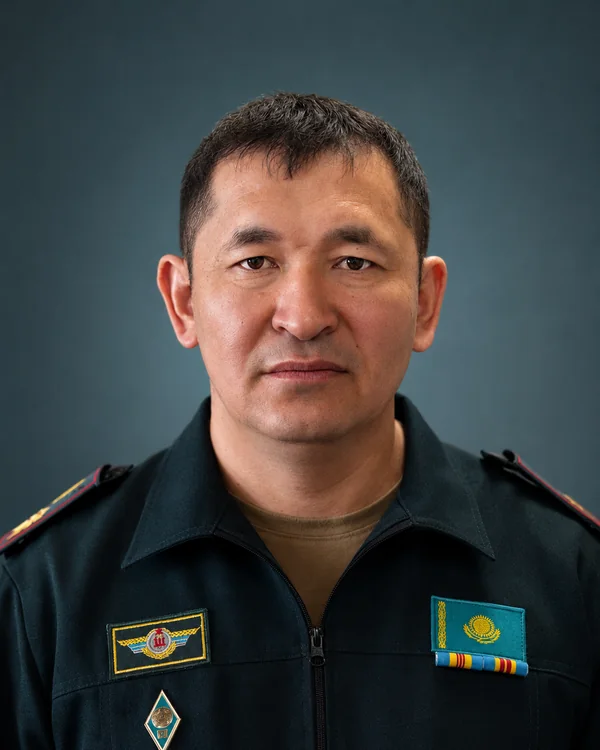
Military Pedagogy
Subjects: military pedagogy and psychology, military ethics
Total experience: since 2010. Teaching experience: since 2021.Education: Zhetysu State University named after Ilyas Zhansugurov, Bachelor's degree in Pedagogy and Psychology, Taldykorgan; Abay Myrzakhmetov University, Master's degree in Pedagogy and Psychology, Kokshetau.
 02
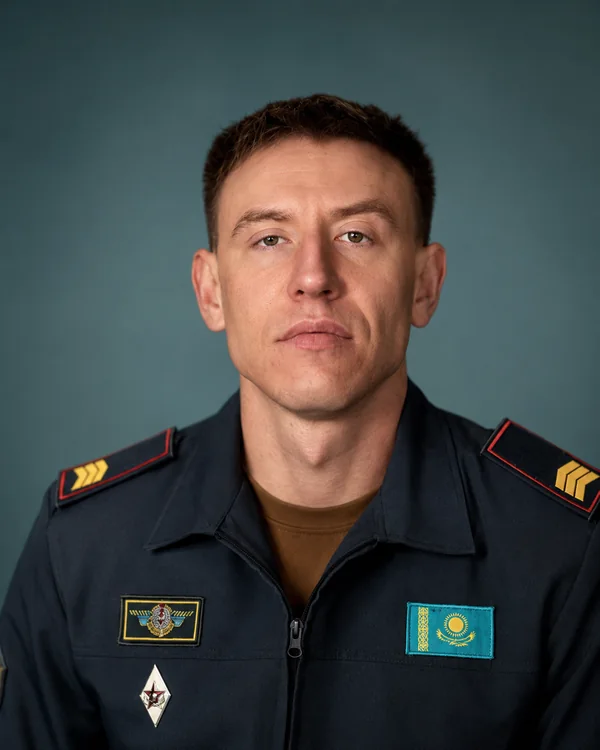
Linguistics
Subjects: linguistics, military ethics, fundamentals of military law
Total service: since 2022. Teaching experience: since 2024.Sergeant Ivan Yuryevich Khoroshun teaches in the field of linguistics, as well as military ethics and fundamentals of military law. He holds a master's degree in philological sciences and a bachelor's degree in Translation Studies.
 03
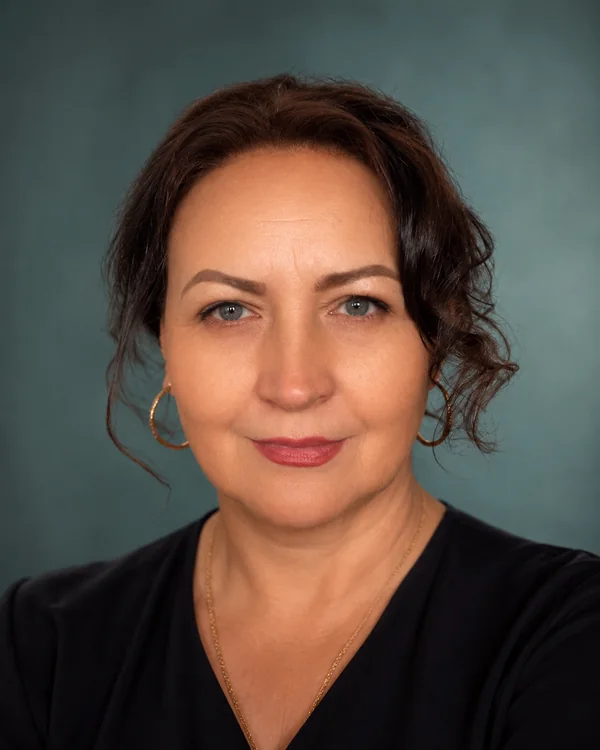
History
Subjects: World History, History of Modern Kazakhstan
Total teaching experience: since 1998. Experience at the Military College of MoD RK: since 2005.Larisa Vasilyevna Khasenova teaches history-related disciplines. She has higher education from Omsk State University, with qualification as a historian and history teacher. Her methodological focus is the development of learners' cognitive activity and analytical skills through step-by-step training in creating and using structural-logical schemes when studying historical material.
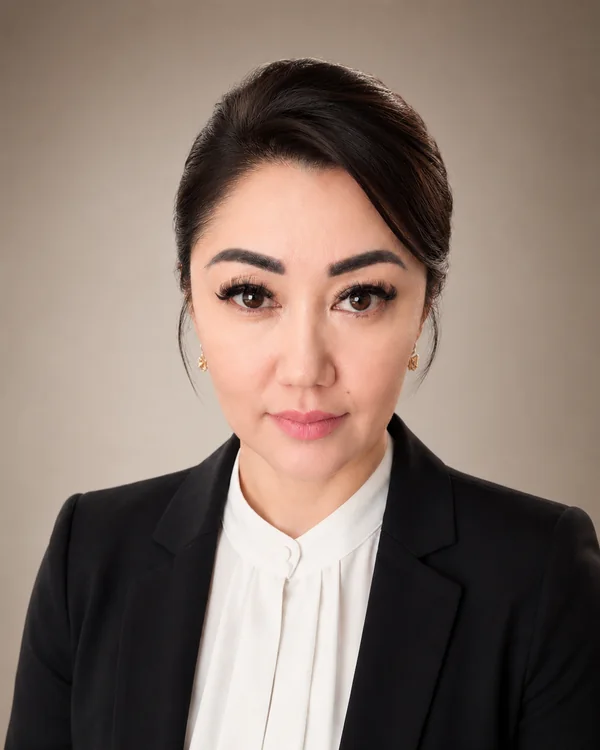 04
English
Subjects: English language
Total teaching experience: 14 years. Experience at the Military College of MoD RK: 14 years.Gulmira Damirovna Kazhybayeva teaches English. She graduated from Shokan Ualikhanov Kokshetau State University with qualification as an English language teacher. Her methodological focus is the organisation of a differentiated approach in English lessons for groups with different levels of preparation.
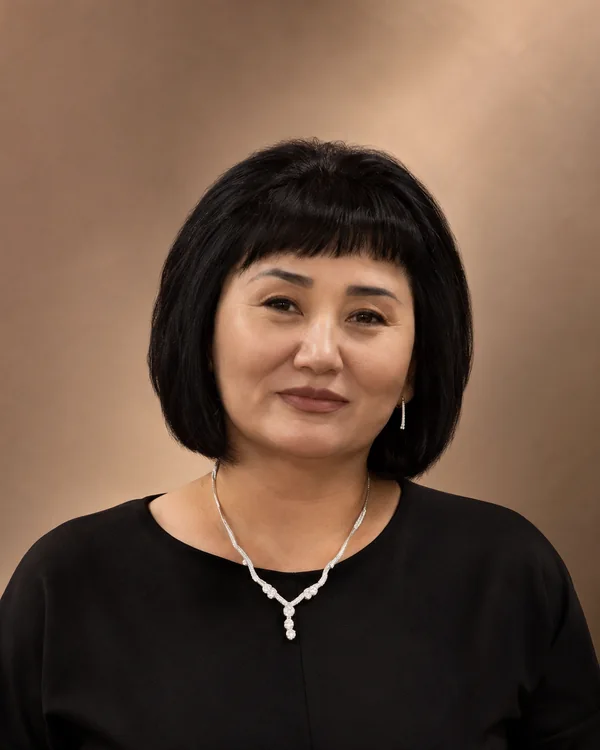 05
Kazakh Language
Subjects: Professional Kazakh language, Kazakh language and literature, Kazakh literature, Global competence
Total teaching experience: 26 years. Experience at the Military College of MoD RK: 23 years.Toleu Kazbekovna Shayakhmetova teaches Kazakh language and literature. She studied in Kokshetau at the Shokan Ualikhanov Institute, Faculty of Philology, with qualification as a teacher of Kazakh language and literature. Her methodological topic is the development of cadets' creative abilities in Kazakh literature lessons.
 06
English
Subjects: English language
Total teaching experience: 34 years. Experience at the Military College of MoD RK: 26 years.Elena Vladimirovna Rozhdestvenskaya teaches English. She graduated from Tashkent State University of World Languages with qualification as an English language teacher. Her methodological topic is the activation of cadets' learning activity in English lessons.
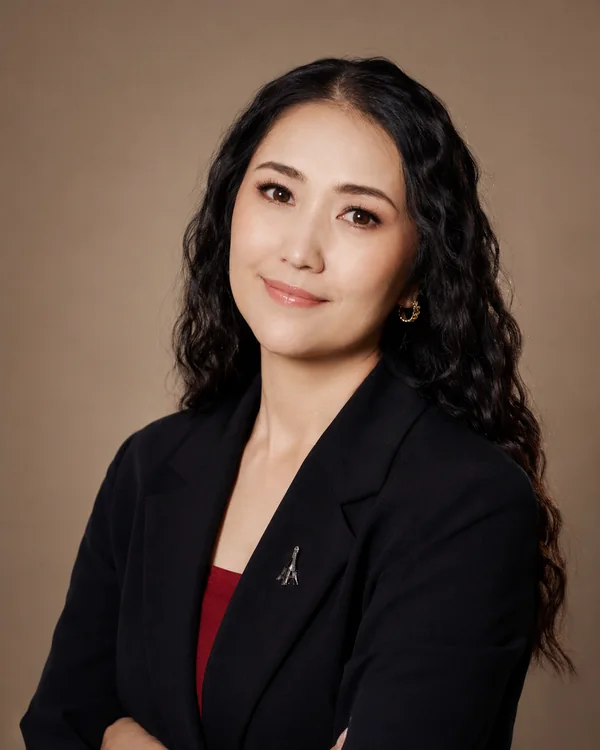 07
Informatics
Subjects: informatics, physics, graphics and design
Total teaching experience: since 2014. Experience at the Military College of MoD RK: since 01.09.2019.Education: South Kazakhstan State Pedagogical Institute named after Ozbekali Zhanibekov, Bachelor's degree, 2013. Methodological focus: using modern information technologies and interactive teaching methods to develop learners' logical thinking, technical skills and cognitive activity.
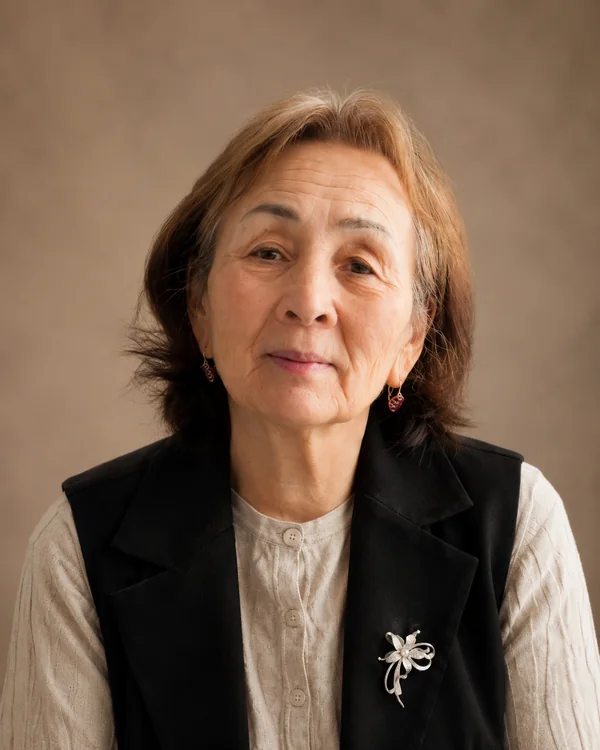 08
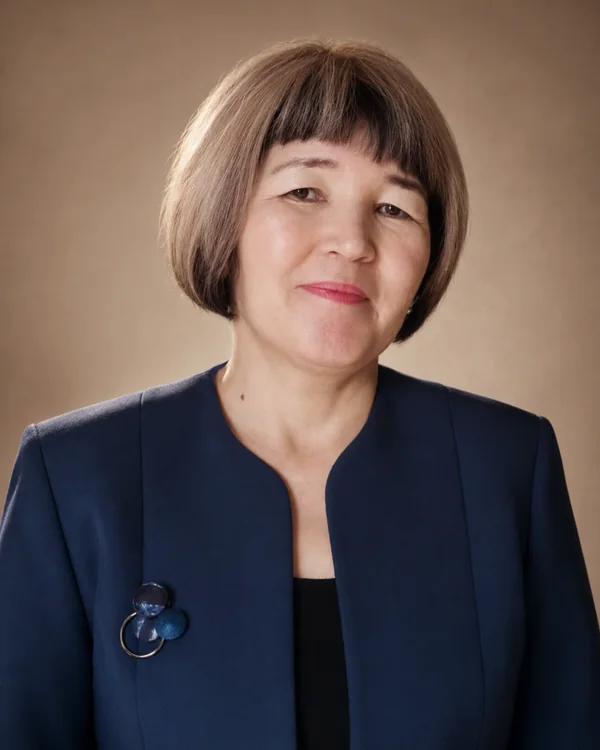
Mathematics
Subject: mathematics
Total teaching experience: 47 years. Experience at the Cadet Corps: since 2000.Education: Kokshetau Pedagogical Institute, Faculty of Physics and Mathematics, qualification in Mathematics, 1974. Methodological focus: differentiated approach in mathematics lessons.
 09
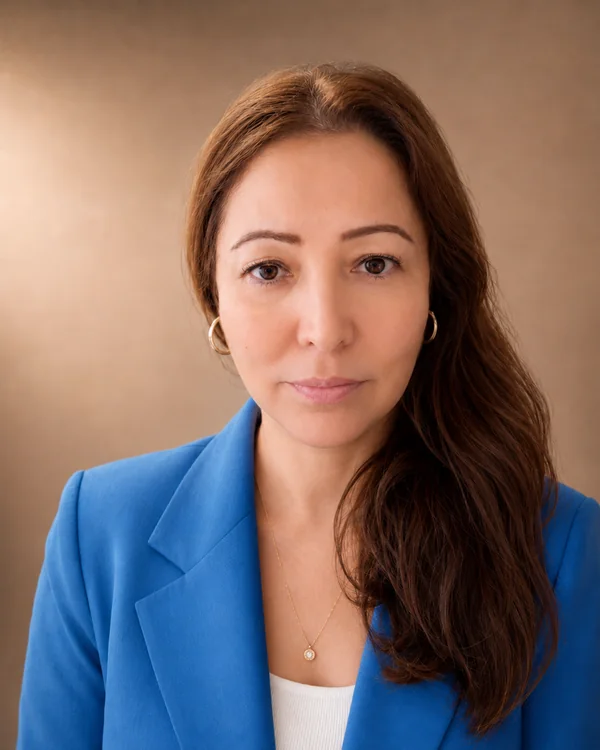
Kazakh Language
Subjects: Kazakh language and literature
Total teaching experience: 30 years. Experience at the Cadet Corps: 19 years.Education: Kokshetau University named after Sh. Ualikhanov, 2006. Qualification: teacher of Kazakh language and literature. Methodological focus: improving cadets' learning literacy through information and communication technologies in teaching Kazakh language and literature.
 10
Informatics
Subjects: informatics, logic
Total teaching experience: 22 years. Experience at the Military College of MoD RK: 22 years.Education: higher education, programmer-economist. Methodological focus: an individual differentiated approach in informatics lessons.
Traditions
A special place in the history of the cycle belongs to the development of pedagogical cooperation and active learning methods. These approaches remain relevant today because modern military education requires initiative, independence and a conscious attitude toward learning.
The cycle's teachers build lessons as collaborative work: they help cadets ask questions, discuss material, support their position and apply knowledge in practice.
This approach turned the cadet from a passive listener into an active participant in the learning process, while the teacher became the organiser of joint cognitive activity.
The memory of teachers who contributed to the formation of the cycle is carefully preserved in the history of the institution. Their work and professionalism remain an example for the current generation of teachers and cadets.
Traditions of pedagogical excellence and a modern approach to teaching.
Activity
The cycle combines academic, methodological, educational and military-patriotic work. Each of these areas contributes to shaping the knowledge, values and professional qualities of a future serviceman.
The faculty of the cycle conduct classes in humanities and language disciplines, use modern teaching methods, interactive formats, practical tasks, discussions, presentations and individual work with cadets.
The cycle gives significant attention to improving teaching methods, developing instructional materials, updating lesson content and introducing modern pedagogical technologies into the educational process.
The educational work of the cycle is aimed at developing patriotism, civic responsibility and respect for military duty, culture, history and the traditions of the Republic of Kazakhstan.
Through humanities disciplines, cadets become acquainted with the history of the state, military traditions and examples of courage, discipline and service to the Motherland. This helps form the value system of a future serviceman.
Achievements
As the institution developed, the material and technical base of the cycle also became stronger. Classrooms were equipped with modern equipment, interactive learning tools, and academic and methodological literature.
Well-equipped classrooms and modern learning tools support a high level of visualisation, practical work and methodological support during lessons.
This contributes to higher lesson quality, the development of cadets' cognitive activity and their successful participation in Olympiads, contests and subject events at different levels.
Cadets studying the disciplines of the cycle take part in district, regional and national subject Olympiads, intellectual contests, open lessons, conferences and educational events.
The cycle today
Today, the Cycle of Humanities and General Education Disciplines continues to fulfil an important educational and character-building mission. Its work is aimed at preparing literate, responsible, patriotic and professionally oriented cadets.
The faculty of the cycle strive not only to provide knowledge in academic disciplines, but also to develop the learners' culture of thinking, the ability to express their position and to work with information.
Humanities training helps a future serviceman respect the history and traditions of the country, understand civic responsibility and develop a professional culture of communication.
The Cycle of Humanities and General Education Disciplines preserves the continuity of pedagogical traditions while developing in accordance with the modern requirements of military education.